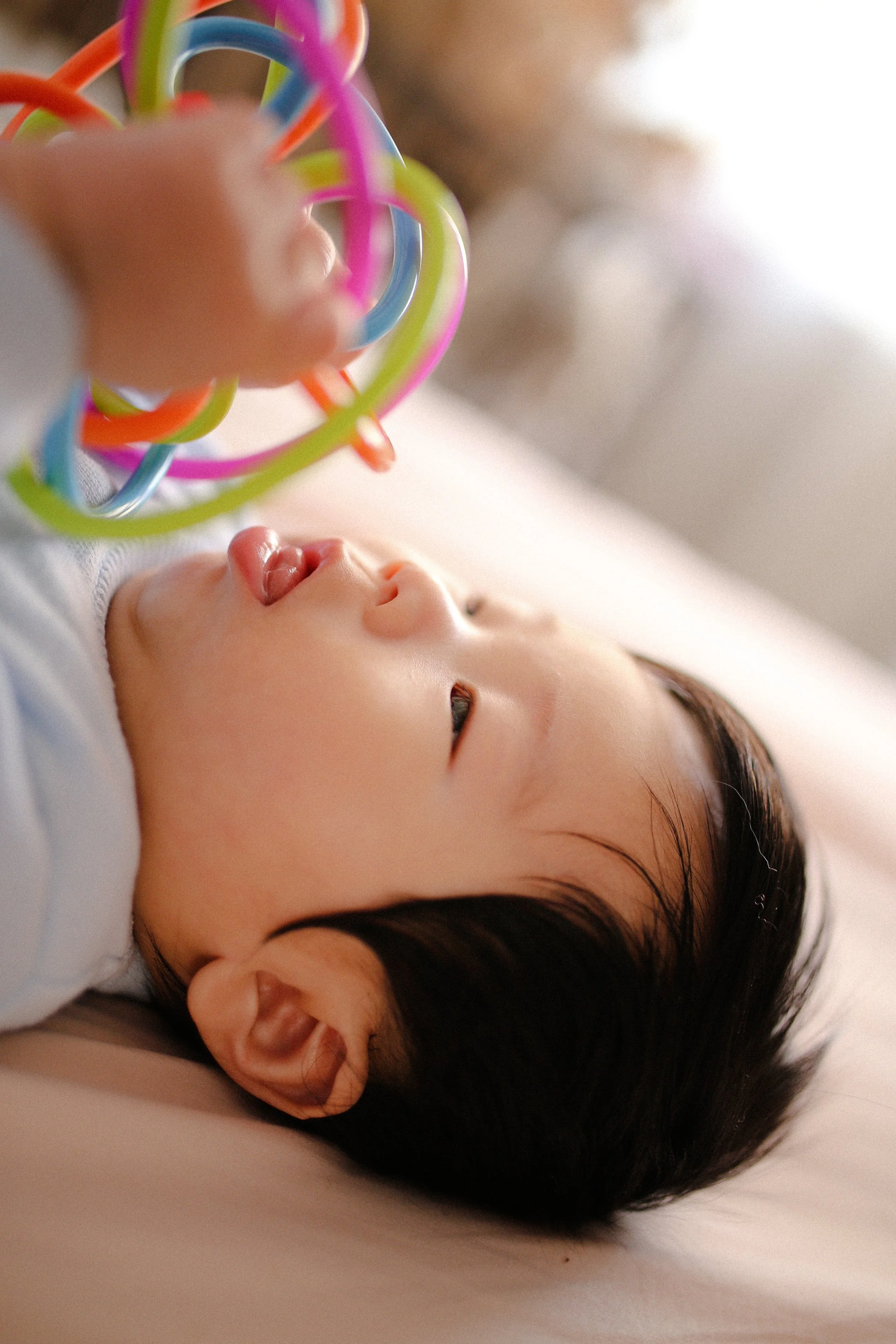
Craniosacral Therapy for Infants and Children
Craniosacral Therapy is a gentle, hands-on approach that has been proven effective in supporting infants through a variety of challenges. This specialized therapy can:
Help your baby’s body unwind tension patterns
Facilitate progress in developmental delays
Improve sensory integration
Ease patterns of tension associated with torticollis
Support digestive challenges such as colic and reflux
This nurturing therapy promotes relaxation, regulation, and resilience in even the youngest nervous systems, laying a foundation for healthy development.
Craniosacral Therapy for Children and Teens
As children grow, their nervous systems are continually adapting to physical, emotional, sensory, and developmental demands. Craniosacral Therapy offers a gentle, hands-on approach that encourages deep relaxation, releases patterns of tension, and supports greater regulation and ease within the body.
A Gentle, Child-Centered Approach
Every child is different. Rather than asking a child’s body to conform to a particular technique, I meet each child where they are and allow the session to unfold according to their individual comfort and needs.
My intention is to create a safe, nurturing environment where children can relax, become more connected with their bodies, and experience greater ease and regulation.
-
Everything is done to ensure the comfort of you and your baby. Normally, mom or dad holds the baby while we work.
I gently place my hands on the baby where the body is holding tension.
We take breaks for diaper changes, feedings and fussiness as needed. Plenty of time is built into the session to ensure we have time to work and time for addressing the baby's needs.
-
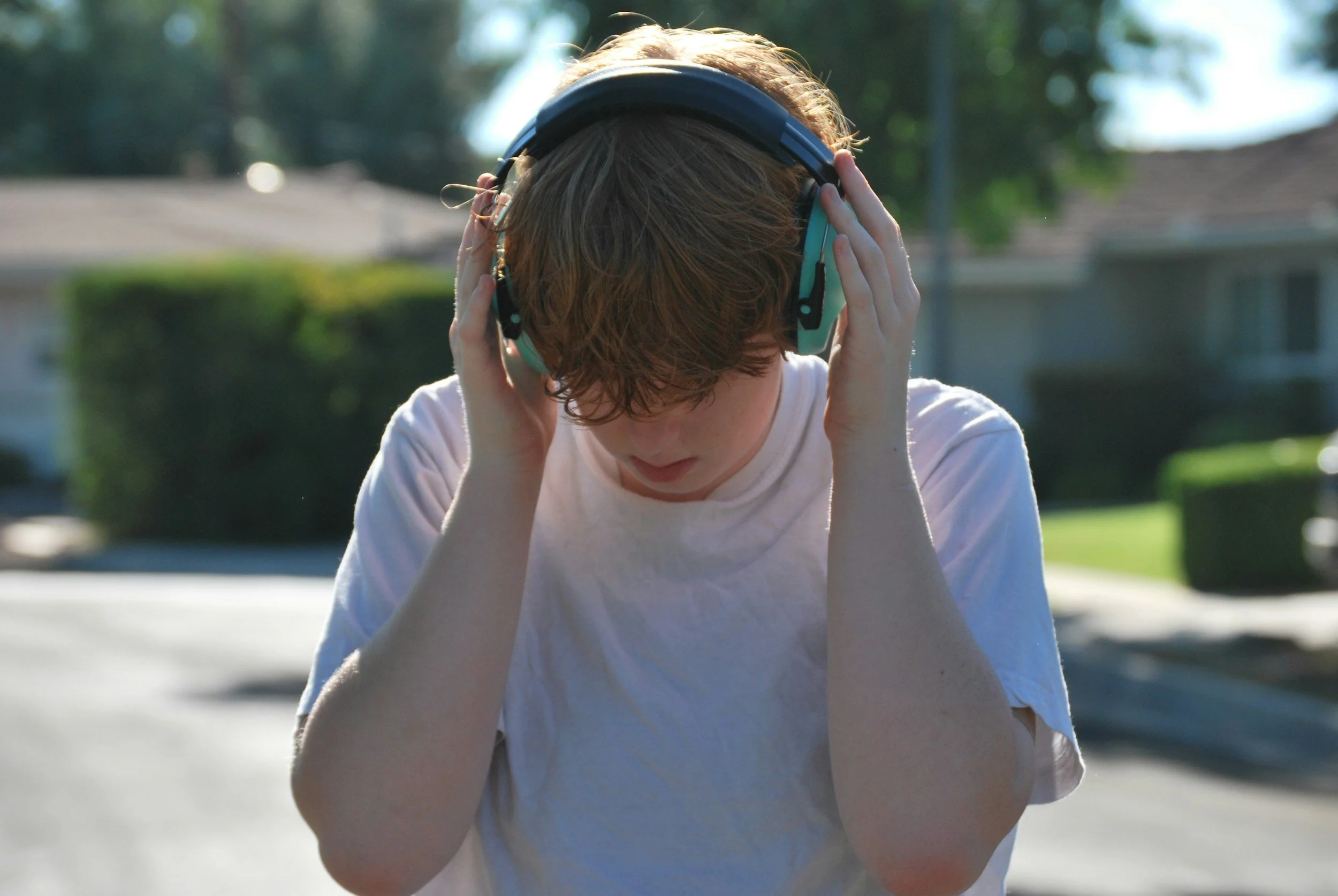
Children with sensory processing challenges or autism spectrum disorders may experience heightened sensitivity to touch, sound, movement, or their environment. The gentle nature of Craniosacral Therapy provides an opportunity for the body to slow down and settle, supporting relaxation, body awareness, sensory integration, and nervous system regulation.
Sessions are individualized to each child, with respect for their comfort level, boundaries, and unique sensory needs.
-
Children experiencing PANDAS may face periods of significant physical, emotional, and behavioral stress. Craniosacral Therapy can be used as a complementary approach to promote relaxation, decrease patterns of physical tension, and support nervous system regulation during what can be an especially challenging time for both children and their families.
Craniosacral Therapy is not a replacement for medical evaluation or treatment of PANDAS, but may be incorporated as part of a child's broader wellness and support plan.
-
Children and teenagers experience stress in their bodies just as adults do. School pressures, social challenges, life transitions, sensory overload, and anxiety can all contribute to a nervous system that has difficulty settling.
Through gentle touch and a calm therapeutic environment, Craniosacral Therapy encourages the body to move toward a state of rest and relaxation. Sessions may support children in feeling more grounded, settled, comfortable in their bodies, and better able to navigate everyday stress.
-
A sports-related concussion can affect much more than the area of the initial impact. Children and teens may experience headaches, fatigue, difficulty concentrating, sleep disruption, sensitivity to light or sound, dizziness, and other symptoms following a concussion.
Once a child has received appropriate medical evaluation, gentle Craniosacral Therapy may be incorporated as a complementary therapy during recovery, with an emphasis on relaxation, releasing patterns of tension, and supporting overall comfort and well-being.
Craniosacral Therapy does not replace medical assessment or concussion management. Any child with a suspected concussion should first be evaluated by an appropriate healthcare professional.
Additional Information About Craniosacral Therapy